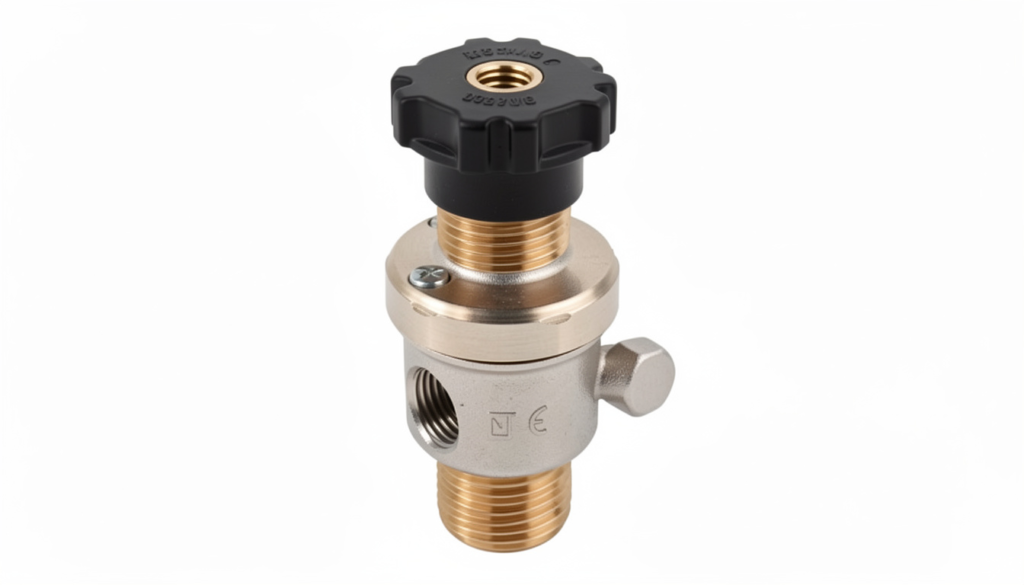
Have you ever noticed your pipes making a loud banging noise? Or maybe your faucets are spraying water way too fast? This usually means your water pressure is too high. A water pressure regulator is a small but mighty tool that protects your plumbing. It acts like a gatekeeper for your home. It takes the high-pressure water from the city pipes and slows it down to a safe level. Without a water pressure regulator, your dishwasher, washing machine, and toilets could break much sooner than they should.
Think of it like a heart monitor for your house. If the pressure gets too high, things start to leak or burst. Most experts say your home should stay between 40 and 60 PSI. If the city sends water at 100 PSI, this valve stops that extra force. Using a water pressure regulator saves you money on repair bills. It also helps you save water, which is great for the planet. Every homeowner should know how this little device keeps their daily life running smoothly.
Table of Contents
Meet Your Plumbing Expert: Author Profile
| Feature | Details |
| Name | Jordan Miller |
| Title | Master Plumber & Home Safety Consultant |
| Experience | 15+ Years in Residential and RV Plumbing |
| Expertise | Pressure Management, Leak Detection, and DIY Repair |
| Mission | To help families protect their homes with simple DIY tips. |
How Does a Water Pressure Regulator Work?
You might wonder, how does a water pressure regulator work behind the scenes? It is actually a very simple mechanical process. Inside the water pressure regulator valve, there is a spring and a rubber diaphragm. When water flows in from the street, it pushes against the spring. If the water is too strong, the diaphragm tightens and restricts the flow. This ensures that the water coming out of your kitchen sink is gentle and steady. It is all about balance.
The water pressure regulator does not use any electricity. It works entirely based on the physical force of the water. When you turn off your faucets, the valve closes up to keep the high pressure out of your pipes. This constant adjustment happens every single time you use water. It is a silent protector that works 24 hours a day. Understanding this helps you realize why a high-quality water pressure regulator is such a vital part of your plumbing system.
Where is My Water Pressure Regulator Located?
One of the most common questions I get is, “where is my water pressure regulator?” It isn’t always in the same spot for everyone. Usually, you can find it near the main water shut-off valve. If you have a basement, look near the front wall where the water pipe enters the house. If you live in a warmer climate, the house water pressure regulator might be outside in a “meter box” near the street. You might need to dig a little bit of dirt away to see it clearly.
If you are still asking, “where is the water pressure regulator located,” check your garage or crawl space. It looks like a brass bell or a small dome sitting on top of your pipes. Knowing where is the water pressure regulator can save you in an emergency. If you hear a loud humming sound in your walls, you should go find it right away. Once you know where is my water pressure regulator located, you can check it once a year to make sure it isn’t leaking or rusted.
Finding the Device in Different Types of Homes
If you live in a newer neighborhood, where is the water pressure regulator might be even easier to answer. Many modern builders put the home water pressure regulator in a utility closet near the water heater. However, in older homes, it might be tucked away in a dark corner of the crawl space. If you are searching for where is my water pressure regulator located, follow the main line from your water meter. The regulator will almost always be the first major fitting after the main shut-off handle.
Sometimes, people confuse the water pressure regulator valve with a backflow preventer. The regulator has a distinct bolt on the top that you can turn. Finding where is water pressure regulator located is the first step to becoming a handy homeowner. If you cannot find it at all, your home might not have one. Older homes built before the 1980s often didn’t include them. If your pressure is high and you don’t have one, it is time to call a pro to install a water pressure regulator for house safety.
Getting the Right Water Pressure Regulator for House Safety
Choosing the right water pressure regulator for house use is very important. You cannot just pick any random valve from the hardware store. You need a house water pressure regulator that matches the size of your main water pipe. Most homes use a 3/4-inch or a 1-inch pipe. If you get the wrong size, the water won’t flow correctly, and you might lose pressure when two people shower at the same time. A good home water pressure regulator should be made of lead-free brass for safety.
I always tell my clients to invest in a high-quality water pressure regulator. Saving ten dollars on a cheap part could lead to a flooded basement later. A heavy-duty water pressure regulator valve will last much longer than a budget version. When shopping, look for brands that offer a solid warranty. A reliable water pressure regulator is the best insurance policy you can buy for your plumbing. It keeps your pipes quiet and your appliances happy for many years to come.
Using a Water Pressure Regulator for RV Trips
If you love camping, you absolutely need a water pressure regulator for rv use. Many campgrounds have very high water pressure to reach all the different campsites. If you plug your motorhome directly into their faucet, your plastic pipes might burst. A rv water pressure regulator is a small device that screws onto the park’s faucet before you attach your hose. It is an essential tool for every road trip. I never leave my driveway without checking my water pressure regulator for rv.
There are two main types of rv water pressure regulator models. Some are simple brass tubes that stay at one setting. Others have a gauge so you can see exactly how much pressure is going into your rig. Using a water pressure regulator on your camper prevents expensive leaks under your tiny sinks. It is much cheaper to buy a thirty-dollar rv water pressure regulator than to fix a flooded trailer. Keep it in your utility bag and use it every single time you hook up to water.
How to Adjust Water Pressure Regulator Settings
If your shower feels too weak, you might need to know how to adjust water pressure regulator settings. First, you will need a wrench and a screwdriver. Look at the top of the water pressure regulator valve. You will see a bolt and a locknut. To increase the pressure, turn the bolt clockwise. To lower it, turn it counter-clockwise. Go slow! Only turn it one full rotation at a time and then check a faucet inside the house to see the change.
Learning how to adjust a water pressure regulator is a great skill. However, don’t go too high. If you go over 75 PSI, you are asking for trouble. When people ask me water pressure regulator how to adjust properly, I always suggest using a pressure gauge. You can buy a cheap gauge that screws onto your outdoor hose bib. This tells you exactly what the water pressure regulator is doing. Knowing how to adjust water pressure regulator settings correctly keeps your pipes safe while giving you a great shower.
Can I Install a Water Pressure Regulator Myself?
Many DIY fans ask, “can i install a water pressure regulator myself?” The answer depends on your skills. If you are comfortable cutting copper or PEX pipes, you can do it. You will need to shut off the main water supply first. Then, you cut out a section of the pipe and install the water pressure regulator valve using unions or shark-bite fittings. It is a job that takes about two hours if you have the right tools. If you feel nervous, it is better to hire a plumber.
Even if you choose to do it yourself, make sure you know where is the water pressure regulator located currently. Replacing an old one is much easier than installing a brand-new one where none existed before. If you decide to try it, make sure the arrow on the water pressure regulator points in the direction the water flows. Installing a water pressure regulator for house protection is a proud moment for any DIYer. Just remember to check for leaks carefully once you turn the water back on.
Warning Signs That Your Regulator is Failing
How do you know if your water pressure regulator is broken? One big sign is a vibrating noise when you run the water. Another sign is “water hammer,” which sounds like someone is hitting your pipes with a hammer. If your water pressure suddenly drops or spikes, your water pressure regulator valve is likely stuck. You can’t usually fix the inside of these valves, so it is usually best to replace the whole home water pressure regulator when it starts acting up.
Another trick is to check your toilets. If they keep running even after you fix the flapper, the pressure might be too high for the fill valve. A failing water pressure regulator can also cause your water heater to leak from the safety valve. Don’t ignore these signs! A broken house water pressure regulator can cause thousands of dollars in damage if a pipe bursts while you are at work. Keep an eye on your faucets and listen to your pipes to stay ahead of any problems.
FAQs
1. How long does a water pressure regulator last?
Most models last between 7 and 12 years. If yours is older than 10 years, you should check it with a gauge. Over time, the rubber parts inside the water pressure regulator valve can get hard or crack.
2. What is the best pressure setting for a home?
A safe range is between 45 and 55 PSI. You should never go above 75 PSI, as this can damage your appliances. Use the water pressure regulator how to adjust steps to find your “sweet spot.”
3. Does every house have a regulator?
No, not every home has one. If your city water pressure is naturally low, the builder might have skipped the house water pressure regulator. However, most modern homes in hilly areas or big cities will have one.
4. Can a bad regulator cause no water pressure?
Yes! If the internal spring breaks, it can completely block the water flow. If you suddenly have zero pressure in the whole house, check the water pressure regulator first.
5. Why do I need a separate regulator for my RV?
RV plumbing is made of plastic and isn’t as strong as house plumbing. A rv water pressure regulator is built to handle the specific needs of a trailer and is much more portable.
6. Where is the water pressure regulator on a well system?
On a well, the pressure is usually controlled by a pressure switch on the pump. However, some people still add a water pressure regulator after the tank to keep the flow perfectly steady.
Conclusion
Taking care of your water pressure regulator is one of the smartest things you can do as a homeowner or traveler. Whether you are searching for where is my water pressure regulator or learning how to adjust a water pressure regulator, you are taking a big step in home maintenance. This simple valve keeps your pipes quiet, your showers steady, and your repair bills low. Don’t wait for a pipe to burst before you check on your water pressure regulator valve.