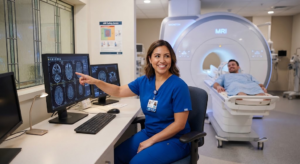
Landing a role in a fast-paced emergency room starts with finding the right ER tech jobs near me. Working as an emergency room technician is an incredible way to jumpstart your medical career. You get to help real people every single day while gaining hands-on clinical experience. Hospitals and urgent care centers urgently need caring, quick-thinking professionals right now. This guide will help you easily navigate the job market, learn about daily duties, and secure rewarding ER tech jobs near me without any stress.
What Does an ER Technician Do Every Day?
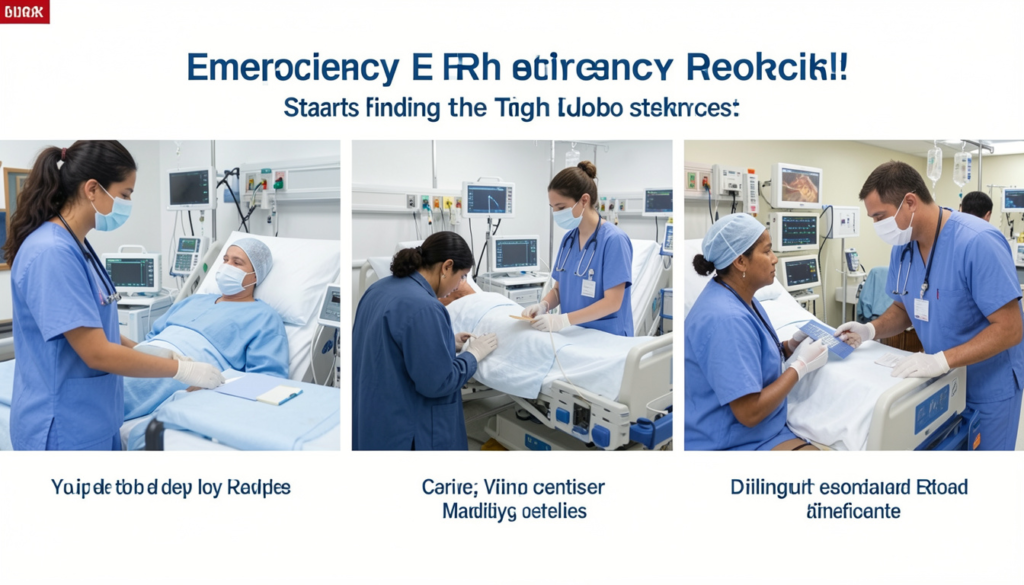
Working in the emergency department means no two days are ever exactly the same. Your primary job is to support doctors and nurses while keeping patients safe and comfortable. Common daily tasks include taking vital signs like blood pressure, pulse, and temperature. You may also draw blood, perform EKG tests, clean wounds, and transport patients to different departments. Staying calm under pressure makes you a true asset to the emergency medical team.
Essential Education and Certification Requirements
To qualify for top ER tech jobs near me, you usually need a high school diploma. Next, you must complete a certified nursing assistant (CNA) or emergency medical technician (EMT) training program. Many local community colleges and trade schools offer these fast-track courses in just a few months. Earning your Basic Life Support (BLS) certification is also mandatory before stepping onto the hospital floor.
Exploring Average Salaries and Earning Potential
Earning a steady paycheck while helping others is one of the best perks of this profession. The average pay for ER tech jobs near me ranges between $35,000 and $48,000 per year. Your exact salary depends on your location, past experience, and shift differentials. Working night shifts or weekends usually adds extra money to your standard hourly wage.
Where to Find the Best Openings in Your Area
Finding unadvertised openings requires looking beyond giant job boards. Start by visiting the career pages of major local hospital networks and trauma centers. Networking with friends or family members already working in healthcare can fast-track your application. Local urgent care clinics and emergency care centers are also fantastic places to drop off resumes.
How to Write a Winning Healthcare Resume
Your resume needs to highlight your direct patient care skills and cool-headed personality. Emphasize any past experience taking vital signs, managing stressful situations, or comforting patients. List your active certifications, such as your CNA license and BLS card, right at the top. Keep the layout clean, easy to read, and free of any confusing medical jargon.
Acing Your Emergency Room Job Interview
Hiring managers want to see how you react to sudden, high-stress situations. Prepare real-life examples of times you solved problems quickly and kept a positive attitude. Dress professionally, arrive fifteen minutes early, and show genuine enthusiasm for patient care. Asking smart questions about the department culture proves you are serious about the position.
Understanding Shift Work and Scheduling Realities
Emergency rooms operate twenty-four hours a day, seven days a week, including holidays. When searching for ER tech jobs near me, expect to work twelve-hour shifts, night shifts, or rotating schedules. While this takes some getting used to, many techs love having three or four days off every week. Embracing flexibility makes you highly valuable to busy nursing managers.
Vital Soft Skills for Emergency Room Success
Technical medical skills matter, but soft skills keep the emergency room running smoothly. Empathy is critical because patients arrive scared, confused, and needing gentle reassurance. Strong communication skills ensure you pass vital information clearly to doctors and registered nurses. Being a reliable team player means your coworkers can always count on you during emergencies.
Opportunities for Career Growth and Advancement
Starting as an ER technician opens countless doors for advanced healthcare careers down the road. Many techs use this hands-on experience as a stepping stone to become registered nurses. Others decide to go to school to become physician assistants, paramedics, or medical doctors. The knowledge you gain on the job gives you a massive advantage in future healthcare studies.
Essential Checklist Before You Apply
- Ensure your state certification or CNA license is fully active and up to date.
- Double-check that your BLS (Basic Life Support) card has not expired.
- Update your resume with your most recent patient care experience and clinical skills.
- Gather contact information from two or three reliable healthcare professional references.
- Practice answering common interview questions out loud with a trusted friend.
Quick Reference Table for Job Seekers
| Feature | Details |
| Primary Role | Direct patient care and emergency room support |
| Education Needed | High school diploma plus CNA or EMT certification |
| Key Certifications | BLS (Basic Life Support) |
| Average Salary | $35,000 – $48,000 annually |
| Work Environment | Fast-paced hospitals and urgent care centers |
| Schedule Types | 12-hour shifts, nights, weekends, and holidays |
| Top Benefit | Incredible hands-on clinical experience for future nurses |
FAQs
Can I work as an ER tech without prior experience?
Yes, many hospitals hire enthusiastic beginners who hold a valid CNA or EMT certification. They provide on-the-job training to help you learn facility-specific protocols and equipment.
Is an EMT or CNA certification better for this role?
Both pathways work beautifully. EMT training teaches rapid trauma response, while CNA programs focus heavily on bedside patient care and comfort.
How long does it take to become an emergency room technician?
Most certification programs take between three to six months to complete. Once certified, you can start applying for jobs immediately.
Do emergency room techs start IVs?
Usually, starting IVs falls outside the scope of practice for technicians. However, you will prep patients, draw blood, and collect various lab samples.
What is the hardest part of this job?
Witnessing traumatic events and managing emotional patients can feel overwhelming. Leaning on your healthcare team for support helps prevent daily burnout.
Can this job lead to nursing school?
Absolutely. Working in the emergency department provides fantastic networking and real-world clinical hours that look amazing on nursing school applications.
Conclusion
Now is the perfect time to dive into the medical field and secure amazing ER tech jobs near me. Update your resume today, check your local hospital job boards, and send in your applications. Your rewarding future of helping people in your community starts right now. Please leave a comment below or share this guide with a friend looking to enter the healthcare industry!