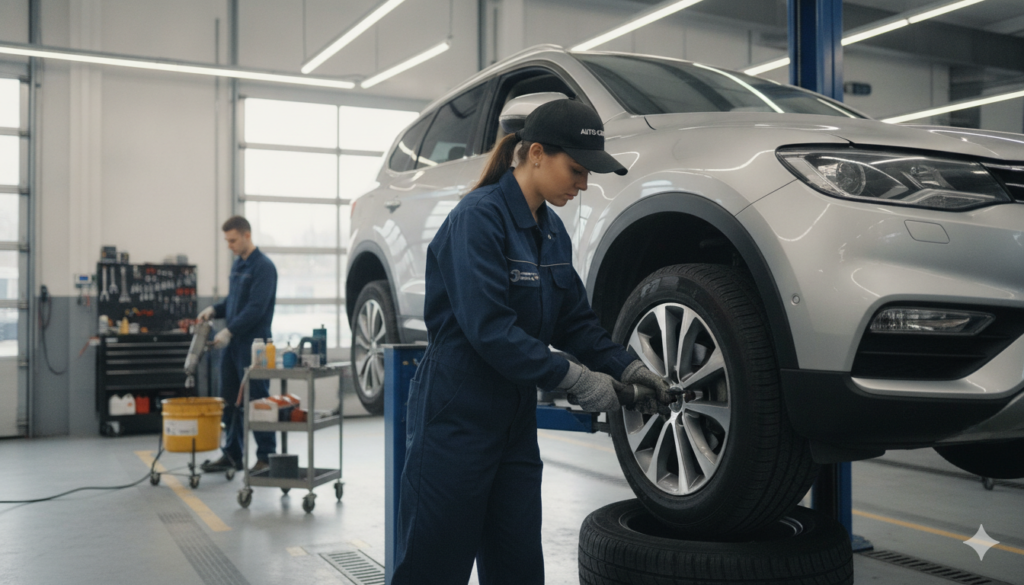
A lube tech plays a vital role in keeping vehicles running smoothly, safely, and efficiently. As more Americans rely on cars for daily transportation, the demand for skilled automotive maintenance professionals continues to grow. Many people choose a lube tech career because it offers hands-on work, fast entry into the automotive industry, and excellent opportunities for advancement. Whether you are a student, career changer, or someone passionate about cars, becoming a lube tech can be a rewarding path. This profession provides valuable experience, competitive earning potential, and practical skills that remain in demand throughout the United States.
What Is a Lube Tech?
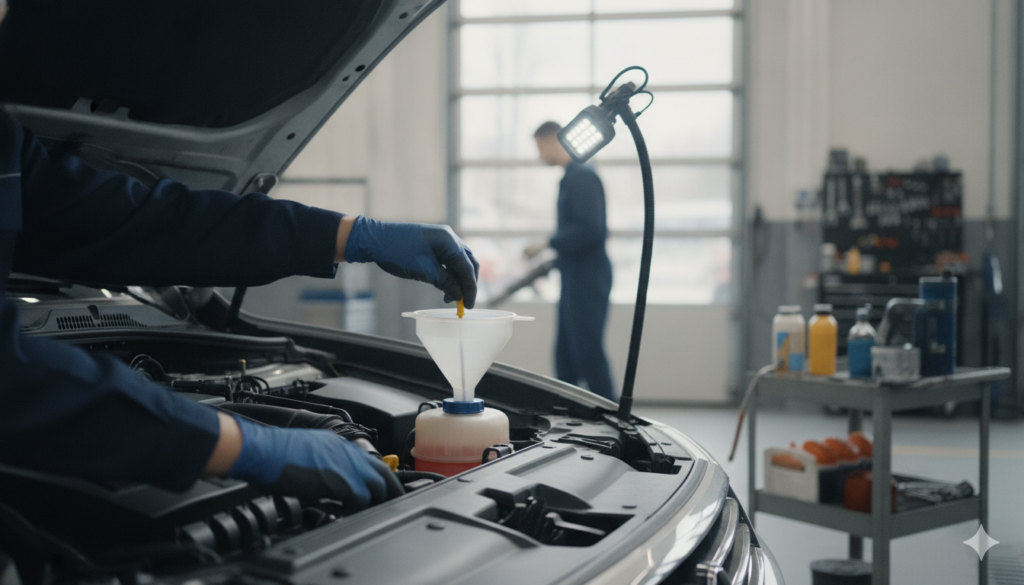
A lube tech is an automotive service professional responsible for performing routine vehicle maintenance. Their primary duties include changing engine oil, replacing oil filters, checking fluid levels, inspecting tire pressure, and conducting basic vehicle inspections. These services help keep vehicles operating at peak performance while reducing the risk of mechanical problems. Many automotive service centers, dealerships, and repair shops depend on skilled technicians to provide fast and accurate maintenance. A lube tech often serves as the first line of defense against costly vehicle repairs by identifying potential issues before they become serious problems.
Why Lube Techs Are Important in the Automotive Industry
Modern vehicles require regular maintenance to achieve optimal performance and longevity. A lube tech helps drivers protect their investments by ensuring engines receive clean oil and proper lubrication. Without routine service, engine components can wear out faster and fuel efficiency may decline. Technicians also inspect brakes, tires, batteries, and fluid systems during service appointments. Their work contributes to vehicle safety and reliability. Every day, thousands of drivers across America rely on professional maintenance services, making the role of a lube tech essential within the automotive service industry.
Main Responsibilities of a Lube Tech
The daily responsibilities of a lube tech involve much more than oil changes. Technicians inspect vehicle systems, check engine fluids, examine filters, and verify that maintenance schedules are followed correctly. They may rotate tires, replace windshield wipers, test batteries, and perform safety inspections. Customer communication is also important because technicians often explain maintenance recommendations. Attention to detail helps ensure every service is completed correctly. By following manufacturer guidelines and shop procedures, a lube tech helps customers maintain vehicle performance while preventing unnecessary repairs and breakdowns.
Essential Skills Every Lube Tech Needs
Success as a lube tech requires a combination of technical knowledge and practical abilities. Strong attention to detail is critical because even small mistakes can affect vehicle performance. Problem-solving skills help technicians identify maintenance concerns quickly. Physical stamina is also important because the job often involves standing, lifting, and working around vehicles throughout the day. Communication skills allow technicians to explain service recommendations clearly. Basic mechanical understanding, time management, teamwork, and customer service skills further contribute to long-term success in this growing automotive career field.
How to Become a Lube Tech
Many people enter the profession with a high school diploma or equivalent education. Some employers provide on-the-job training, while others prefer candidates with automotive education. Community colleges and vocational schools offer automotive maintenance programs that teach engine systems, vehicle inspections, and repair fundamentals. Hands-on experience is extremely valuable for aspiring technicians. A motivated lube tech can learn quickly by working alongside experienced mechanics. Building technical knowledge and developing practical skills often creates opportunities for career advancement within automotive repair facilities and dealership service departments.
Lube Tech Training and Certification Options
Although certification is not always required, earning credentials can improve career prospects. Organizations such as the National Institute for Automotive Service Excellence provide respected certifications that demonstrate professional competence. Training programs cover oil change procedures, engine lubrication systems, tire maintenance, vehicle inspections, and workplace safety practices. Employers often value candidates who show commitment to professional development. Completing specialized training helps a lube tech gain confidence and credibility while increasing opportunities for promotion. Continuous learning remains important because automotive technology evolves rapidly each year.
Average Lube Tech Salary in the USA
Salary levels vary based on experience, location, employer type, and certifications. Entry-level technicians typically earn competitive wages while gaining valuable experience. As skills develop, earning potential often increases through promotions and advanced responsibilities. Many service centers offer additional benefits such as healthcare, retirement plans, paid time off, and performance bonuses. A dedicated lube tech who consistently delivers quality service can advance into higher-paying automotive positions. Larger metropolitan areas and dealership service departments often provide stronger compensation packages compared to smaller independent repair facilities.
Career Growth Opportunities for Lube Techs
One of the biggest advantages of becoming a lube tech is the opportunity for advancement. Many successful automotive professionals begin their careers performing routine maintenance services. With additional training and experience, technicians may become automotive mechanics, diagnostic specialists, service advisors, shop supervisors, or service managers. Some eventually open their own repair businesses. The skills learned in entry-level maintenance positions create a strong foundation for long-term success. A hardworking lube tech can steadily build expertise and move into increasingly specialized and rewarding automotive careers.
Tools and Equipment Used by a Lube Tech
Professional maintenance work requires specialized tools and equipment. Technicians use oil filter wrenches, socket sets, hydraulic lifts, tire pressure gauges, fluid extraction systems, and diagnostic devices. Safety equipment such as gloves, protective eyewear, and steel-toe footwear helps reduce workplace risks. Understanding how to operate tools properly improves efficiency and service quality. A skilled lube tech maintains equipment carefully and follows safety procedures at all times. Familiarity with modern automotive technology also becomes increasingly important as vehicle systems continue to advance.
Work Environment and Daily Schedule
Most technicians work in automotive repair shops, quick-service centers, dealerships, or fleet maintenance facilities. The environment is active and fast-paced, especially during busy service periods. Technicians spend much of their day inspecting vehicles, performing maintenance tasks, and interacting with coworkers. Some facilities operate evenings and weekends to accommodate customer schedules. A lube tech must adapt to varying workloads while maintaining high service standards. Despite physical demands, many technicians enjoy the hands-on nature of the job and the satisfaction of helping customers maintain reliable transportation.
Benefits of Choosing a Lube Tech Career
There are many reasons why people pursue this career path. Entry requirements are relatively accessible compared to many professions. Training opportunities are widely available, and practical experience can be gained quickly. The automotive industry continues to need maintenance professionals because vehicles require regular servicing. A lube tech enjoys opportunities for skill development, career progression, and job stability. For individuals who enjoy working with vehicles and solving mechanical challenges, this profession offers a rewarding combination of learning, growth, and hands-on achievement.
Common Challenges Lube Techs Face
Like any profession, this career includes challenges. Technicians may work in hot or cold conditions depending on facility design and seasonal weather. Physical labor, repetitive tasks, and tight service schedules can sometimes create demanding workdays. New vehicle technologies also require ongoing learning and adaptation. However, many professionals view these challenges as opportunities to improve their expertise. A committed lube tech develops resilience, efficiency, and confidence through experience. Continuous training helps technicians stay current with evolving automotive systems and industry standards.
Complete Lube Tech Career Overview Table
| Category | Details |
| Job Title | Lube Tech |
| Industry | Automotive Service and Repair |
| Primary Duty | Oil Changes and Preventive Maintenance |
| Education Requirement | High School Diploma or Equivalent |
| Training | On-the-Job Training or Automotive Programs |
| Certifications | ASE Certifications Recommended |
| Entry-Level Friendly | Yes |
| Work Environment | Repair Shops, Dealerships, Service Centers |
| Key Skills | Mechanical Knowledge, Attention to Detail, Customer Service |
| Career Growth | Mechanic, Diagnostic Technician, Service Manager |
| Demand Level | Strong and Consistent |
| Physical Activity | Moderate to High |
| Job Stability | High Due to Ongoing Vehicle Maintenance Needs |
| Advancement Potential | Excellent with Training and Experience |
FAQs
1. What does a lube tech do every day?
A lube tech performs oil changes, checks fluids, inspects tires, replaces filters, and conducts basic vehicle maintenance inspections.
2. Do I need experience to become a lube tech?
Many employers hire beginners and provide training. Prior automotive knowledge can be helpful but is not always required.
3. Is a lube tech a good career choice?
Yes. It offers practical experience, career growth opportunities, and steady demand within the automotive industry.
4. How long does it take to become a lube tech?
Many people can begin working after completing basic training or employer-provided instruction within a relatively short period.
5. Can a lube tech become a mechanic?
Absolutely. Many professional mechanics start as lube technicians and advance through training and experience.
6. Are lube tech jobs available across the United States?
Yes. Automotive maintenance services are needed nationwide, creating opportunities in cities, suburbs, and rural communities.
Conclusion
A lube tech career offers an excellent entry point into the automotive industry while providing valuable hands-on experience and long-term growth opportunities. From performing oil changes and inspections to learning advanced vehicle systems, technicians develop skills that remain highly valuable throughout their careers. The profession combines practical work, steady demand, and clear advancement pathways. Whether you are beginning your career journey or seeking a new direction, becoming a lube tech can open doors to rewarding opportunities, professional development, and lasting success within the growing automotive service industry.