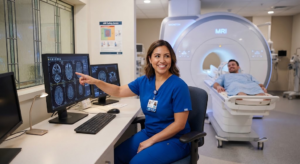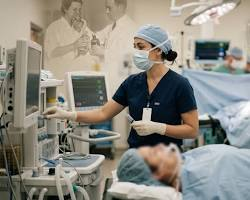
If you want an exciting job in medicine that helps people every single day, becoming an anesthesia tech is a fantastic choice that is easy to rank on google. This dynamic healthcare role puts you right in the heart of the operating room where you work alongside doctors and nurses. As a dedicated anesthesia tech, you ensure that life-saving machines are clean, safe, and ready for surgery. Hospitals across the country urgently need skilled professionals in this field, making it a wonderful path for your future.
What Does an Anesthesia Tech Actually Do?
Working as an anesthesia tech means you play a vital role in patient safety before, during, and after surgeries. Your main job is to set up, check, and maintain complex medical equipment. Surgeons and nurses rely heavily on your expertise to keep the operating room running smoothly. You prepare gas machines, monitor vital signs gear, and stock sterile supplies. Without a skilled anesthesia tech, medical teams would struggle to deliver safe care. Every single shift brings new challenges, ensuring you never feel bored in this fast-paced medical environment.
Education and Training Requirements
Getting started in this career requires proper training and a strong desire to help others heal. Most people who want to become an anesthesia tech complete a specialized certificate or associate degree program. During your schooling, you learn about human anatomy, medical terminology, and pharmacology. You also master the specific machines used by an anesthesia tech every day. Real hands-on practice in a hospital setting gives you the confidence you need. Graduating from an accredited program proves to future employers that you possess true dedication.
Certification and Professional Growth
Once your training is complete, earning a professional credential sets you apart in the job market. Many top employers prefer hiring a certified anesthesia tech because it shows proven skill. Organizations like the American Society of Anesthesia Technologists and Technicians offer great certification exams. Passing this test establishes you as a trusted anesthesia tech who meets high national standards. Continuing education also helps you stay updated on new medical technologies. Earning these extra credentials boosts your resume and opens doors to leadership roles.
A Typical Day in the Operating Room
A typical day for an anesthesia tech is full of active teamwork and problem-solving. You arrive early to check every machine in the surgical suite. If a monitor malfunctions, you fix it or swap it out immediately. During procedures, a trusted anesthesia tech remains close by to assist with airway management or blood supplies. You also clean and sterilize equipment once the operation ends. This vital cycle repeats, proving that a hardworking anesthesia tech keeps the entire hospital surgical department safe.
Salary Potential and Job Stability
Salaries in this medical field are very attractive and offer great stability for your family. A certified anesthesia tech often earns a competitive hourly wage with options for overtime pay. Entry-level positions provide steady income, while experienced professionals make even more. Many hospitals also offer fantastic health insurance, retirement plans, and tuition reimbursement. Choosing to become an anesthesia tech is not just a job, but a smart financial investment in your own bright future.
How to Find Top Healthcare Job Openings
Finding open positions is quite simple when you know where to look for healthcare listings. Major medical centers, outpatient surgery clinics, and dental offices frequently hire an anesthesia tech. You can search online job boards or visit local hospital career pages directly. Networking with other healthcare workers during your clinical training also helps you find hidden job openings. Landing your first job as an anesthesia tech is an exciting milestone that launches your long-term medical journey.
Maintaining Work-Life Balance in Healthcare
Burnout can happen in healthcare, but maintaining a healthy work-life balance keeps your career fresh. A smart anesthesia tech learns how to leave hospital stress behind at the end of the shift. Engaging in fun hobbies, exercising, and spending time with loved ones restores your energy. Peer support groups inside the hospital also provide safe spaces to talk about tough days. When a dedicated anesthesia tech practices self-care, they can continue providing wonderful support to every patient.
Keeping Up With Modern Medical Technology
Technology in operating rooms changes rapidly, making continuous learning a thrilling part of this profession. Modern anesthesia workstations now feature advanced digital screens and automated drug delivery systems. A proactive anesthesia tech embraces these innovations by reading medical journals and attending workshops. Staying ahead of tech trends makes you an invaluable asset to your surgical team. Hospitals love hiring an adaptable anesthesia tech who can easily master brand-new computerized medical devices.
Future Career Outlook and Opportunities
The future outlook for this career field remains exceptionally bright and full of growth potential. As populations age and surgical procedures increase, hospitals will need more hands on deck. Job security for a qualified anesthesia tech is higher than ever before. You can also advance your career by moving into hospital management or specialized surgical units. Becoming a skilled anesthesia tech today ensures you will always have a meaningful, respected, and secure profession tomorrow.
Complete Details Table
| Feature / Aspect | Details for Anesthesia Professionals |
| Primary Role | Preparing, maintaining, and troubleshooting operating room equipment |
| Education Needed | Certificate, diploma, or 2-year associate degree program |
| Average Salary Range | Highly competitive, varying by state and hospital tier |
| Work Environment | Hospitals, outpatient surgical centers, and specialty clinics |
| Key Skills | Attention to detail, technical aptitude, teamwork, and calmness |
| Certification | Optional national credentials to boost hiring potential |
Frequently Asked Questions
What does an anesthesia tech do every day?
They set up, test, and clean medical machines, assist doctors during surgeries, and make sure all safety gear works perfectly.
How long does it take to train for this career?
Most certificate programs take about one to two years to complete before you can start working in a hospital.
Is certification required to get a job?
While some employers hire trainees, having a national certification makes you much more attractive to top hospitals.
What is the work schedule like for this role?
Schedules can include day shifts, night shifts, weekends, and on-call hours because surgeries happen around the clock.
Can this job lead to other medical careers?
Yes, many professionals use this experience as a stepping stone to become nurses, physician assistants, or nurse anesthetists.
Is this career in high demand across the country?
Yes, hospitals urgently need skilled equipment specialists to keep surgical departments running smoothly and safely.
Conclusion
Embarking on a career as an anesthesia tech gives you the chance to change lives while enjoying great job security. You play a silent yet powerful part in every successful surgery. Take the first step today by researching local training programs and reaching out to healthcare mentors. Your rewarding future in medicine is waiting for you right now!