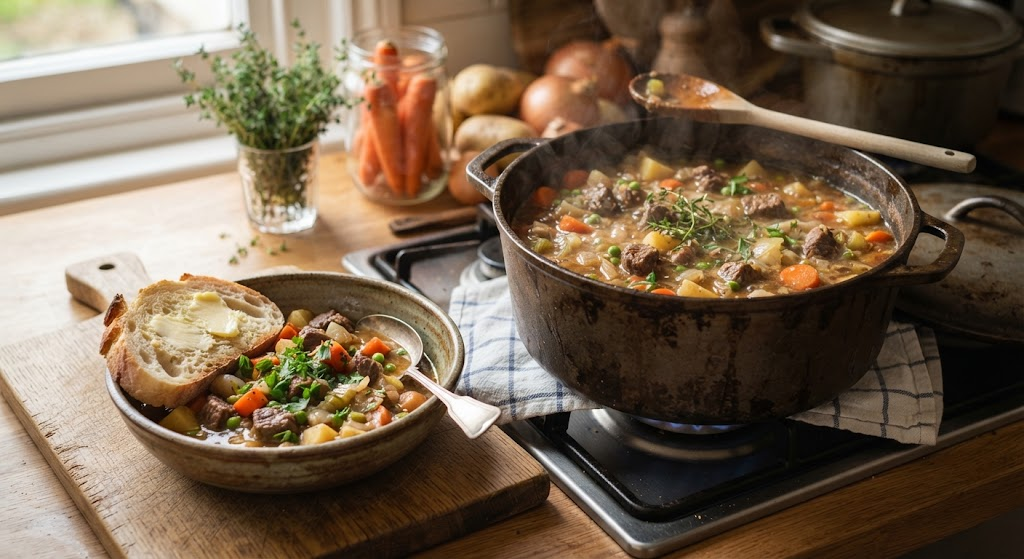
Stews are wonderful and cozy meals that you make in a big pot on the stove. When you cook a stew, you put yummy things like chunks of meat, fresh vegetables, and flavorful broth all together. Then, you let everything simmer slowly on low heat for a long time. This gentle cooking style makes the meat super tender and soft. It also helps all the tasty flavors mix together into a delicious soup. Stews are fantastic because they keep you warm on chilly days. Whenever I make a big pot of stew at my house, the whole kitchen smells amazing. It feels like a big, warm hug in a bowl. Anyone can learn how to make a simple stew with just a few basic ingredients from the kitchen.
Table of Contents
Why Stews Are Great for Dinners
There are so many reasons to love stews for your family dinner. First, they are very easy to put together in one single pot. This means you do not have to wash a giant pile of dishes when you finish eating. Second, stews are a wonderful way to eat more healthy vegetables. You can toss in carrots, potatoes, peas, and celery without any trouble. As they cook in the broth, these veggies turn sweet and soft. Another great thing about stews is that they actually taste even better the next day. The flavors get a chance to sleep together overnight and taste richer. Busy families find stews super helpful because they cook while you do homework or relax. You just let the pot do all the hard work for you.
A Short History of Stews
People have been making stews for thousands and thousands of years. Long ago, before modern ovens were invented, cooking pots were hung right over an open campfire. Ancient cooks learned that tough cuts of meat became much easier to chew if they boiled them slowly in water for a long time. They added wild herbs and root vegetables to make the broth taste better. Every culture around the world has its own special version of a stew. For example, some places make thick bean stews, while others make spicy meat stews. Learning about these old recipes shows us that humans have always loved warm, comforting bowl meals. It is a tradition that brings friends and families together around the dinner table.
Different Types of Stews
Stews come in many fun styles, and each one brings unique flavors to your table. A classic beef stew uses chunky potatoes, carrots, and rich brown gravy. Chicken stew is another family favorite, often mixed with soft noodles or fluffy dumplings. If you do not eat meat, vegetable stews are packed with colorful beans, lentils, and fresh herbs. Seafood stews use fish and shrimp cooked in a light, tasty tomato broth. Some stews are thick and creamy, while others are clear and brothy. You can experiment with different ingredients every single week and never get bored. Trying new stews is a fun adventure for anyone who loves good food in the kitchen.
Healthy Benefits in Every Bowl
Eating a big bowl of stew is a fantastic way to give your body great fuel. Because stews are loaded with vegetables, you get plenty of vitamins, minerals, and fiber. Root veggies like carrots and potatoes give you steady energy to play sports and study. The broth helps keep your body hydrated, and lean meats or beans give you protein to grow strong. Unlike fast food, homemade stews do not have hidden junk or weird preservatives. You control every single ingredient that goes straight into your cooking pot. This makes stews a smart choice for keeping your immune system strong during cold winter months. Healthy eating can taste super delicious when it comes in a warm bowl.
Fun Ingredients to Try
One of the best parts about making a stew is choosing your favorite ingredients. You can start with a base of onions, garlic, and celery for a great flavor foundation. Next, pick your main protein, like diced chicken breast, beef chuck, or firm tofu. After that, add sturdy vegetables that hold up well during long cooking times, like sweet potatoes and turnips. Do not forget to season your creation with pinches of salt, black pepper, and dried thyme. If you want a thicker texture, you can stir in a little flour or cornstarch mixed with water. Feel free to raid your refrigerator and use up whatever leftover veggies you have inside. Creativity is the best secret ingredient in any great kitchen.
Easy Cooking Steps
Making a basic stew is much simpler than you might think. First, wash and chop all your vegetables and meats into bite-sized pieces. Next, place your big cooking pot on the stove over medium heat and add a little bit of oil. Brown your meat or onions first to build a deep, rich flavor foundation. After that, pour in your liquid, which can be chicken broth, beef broth, or even water. Add your chopped vegetables and bring the whole mixture to a gentle boil. Once it bubbles, turn the heat down low, put the lid on the pot, and let it simmer. Stir it every once in a while until everything is fork-tender and ready to eat.
Common Cooking Mistakes to Avoid
Even though stews are easy, beginners sometimes make a few simple mistakes. One common error is cutting your vegetables into uneven sizes. If some pieces are tiny and others are huge, they will not cook at the same time. Another mistake is turning the stove heat up too high while the stew is cooking. Stews need a slow, gentle simmer, not a furious boil, or the meat will get tough. Also, remember to taste your food before serving it so you can add more salt or spices if needed. Finally, do not peek under the lid too often, because letting the hot steam escape slows down the cooking process. Avoiding these little traps ensures your dinner turns out amazing.
How to Store and Reheat Leftovers
Stews are famous for tasting even better on the second day. When your dinner is finished, let the pot cool down safely on the counter. Then, spoon the leftover stew into clean airtight containers with tight-fitting lids. Place them in the refrigerator, where they will stay fresh for up to three or four days. You can also freeze stews in special freezer bags for a quick meal weeks later. When you are ready to eat, reheat your stew slowly in a small pot on the stove. Add a splash of water if the broth looks a little too thick. Reheating it gently brings back all the fresh flavors just like when you first cooked it.
Fun Facts About Stews
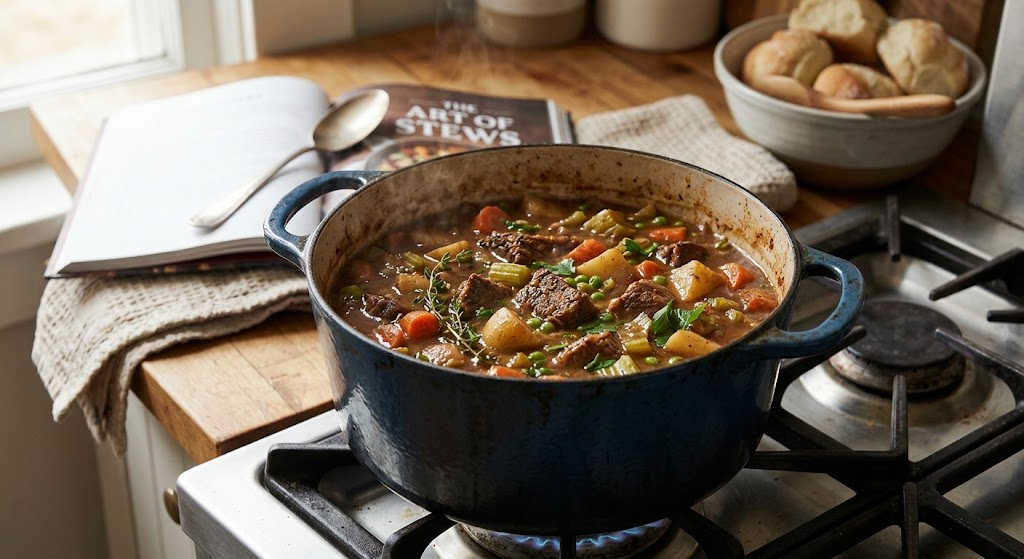
Did you know that stews are one of the oldest cooking methods in human history? Long before frying pans existed, ancient people used animal skins or hollowed-out stones to boil food. In the past, people called stews a “potage,” and families ate them almost every single day. Some traditional stews are cooked outdoors in heavy iron pots over open campfires during special festivals. In Ireland, a famous traditional stew features tender lamb, potatoes, and onions cooked to perfection. Another fun fact is that stews are eaten all over the world, from cold mountains in Europe to warm tropical islands. It proves that everyone everywhere loves a comforting bowl of warm food.
Detailed Biography Table
| Category | Details & Information |
| Topic Focus | The art, history, and preparation of delicious stews |
| Primary Dish Type | Warm, slow-cooked one-pot comfort food |
| Key Ingredients | Meats, root vegetables, broth, herbs, and spices |
| Cooking Method | Gentle simmering over low heat in a covered pot |
| Main Benefits | High in nutrients, easy to make, budget-friendly, and cozy |
| Storage Life | 3 to 4 days in the refrigerator; months in the freezer |
Frequently Asked Questions (FAQs)
What is the main difference between a soup and a stew?
A soup usually has a lot more liquid broth and is served in a bowl to sip. A stew uses less liquid, has a thicker gravy, and is packed with big chunks of meat and vegetables.
Can I make a vegetarian stew without any meat?
Yes, absolutely! You can make a delicious stew using beans, lentils, chickpeas, and lots of colorful vegetables cooked in a rich vegetable broth.
How long does a typical stew take to cook?
Most stews take anywhere from one to three hours to cook. The slow simmering time is what makes the vegetables soft and the meat super tender.
Do I need fancy kitchen tools to make a stew?
Not at all. You only need a sturdy cutting board, a sharp knife, a wooden spoon, and a large cooking pot with a tight-fitting lid.
Can I cook a stew in a slow cooker?
Yes, slow cookers are fantastic for stews. You just toss all your ingredients inside in the morning, turn it on, and dinner is ready by evening.
Why is my stew watery instead of thick?
If your broth is too thin, you can mix a spoonful of cornstarch with cold water, stir it into the simmering stew, and it will thicken right up.
Conclusion
Stews are truly one of the best meals you can ever make in your kitchen. They bring warmth, comfort, and wonderful flavors to your dinner table on any day of the week. Making a pot of stew is a fun and creative cooking project that anyone can master. Now that you know all the secrets, it is time to gather your ingredients and try cooking your very own bowl. What is your absolute favorite vegetable to put into a warm pot of stew? Leave a comment below and share your delicious ideas!